
Grid-Based Foundations
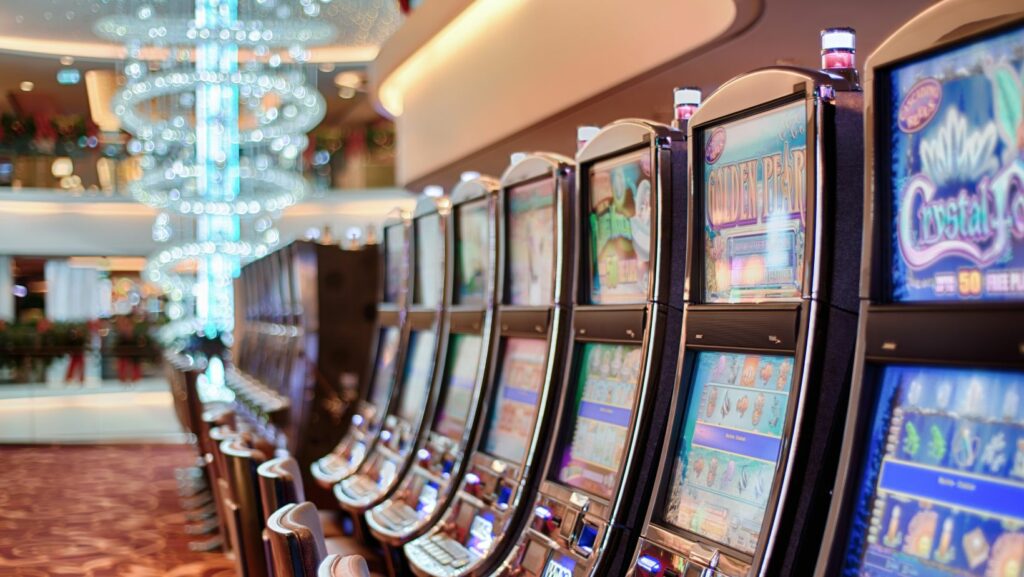
Both slot games and mobile puzzle games share a fundamental design principle: the grid. Slots use reels and rows, while puzzle games rely on tiles arranged in a structured grid. This similarity creates a familiar visual framework that players intuitively understand. In puzzle games, tiles shift and cascade when matches occur, while in slots, symbols spin and align to form winning combinations. This grid-based approach ensures clarity and keeps gameplay engaging.
Cascading Wins and Chain Reactions
One of the most striking parallels is the concept of cascading wins. In modern slot games, when a winning combination appears, those symbols disappear, allowing new ones to fall into place—potentially triggering additional wins. Puzzle games employ the same mechanic: matched tiles vanish, and new tiles drop down, creating satisfying chain reactions. This dynamic keeps players invested, as each move or spin can lead to unexpected rewards.
Variable Rewards and Player Psychology
Both genres thrive on unpredictability. Slots use random number generators to determine outcomes, while puzzle games introduce randomness through tile placement and booster drops. This unpredictability taps into the psychology of variable rewards, which is known to increase engagement and retention. Players are motivated by the possibility of a big win or a perfect cascade, even if the odds are slim.
Progression and Bonus Features
Progression systems are another shared trait. Puzzle games often feature level maps, star ratings, and unlockable content, giving players a sense of achievement. Similarly, slot games incorporate bonus rounds, free spins, and multipliers to maintain excitement. For example, Mr Q megaways slots combine cascading reels with expanding symbols and bonus features, offering players a layered experience that feels rewarding over time.
Mobile-Friendly Design and One-Tap Play
Both puzzle games and slots are optimised for mobile play. Simple, intuitive controls—often just a single tap—make these games accessible and ideal for short sessions. The user interface is designed to minimise friction, allowing players to focus on the core gameplay rather than complex mechanics. This ease of use is a key factor in their widespread popularity.
Habit Loops and Daily Engagement
Retention strategies in both genres often include daily rewards, login streaks, and timed challenges. Puzzle games use lives or energy systems to encourage regular play, while slots offer free spins or virtual currency bonuses for returning players.
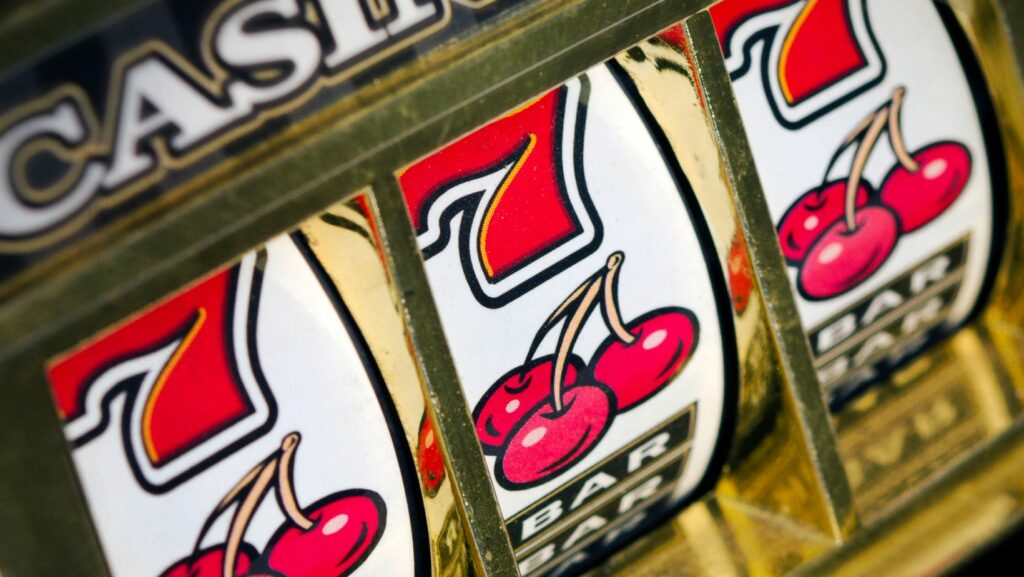
These habit-forming loops create a sense of routine, turning casual play into a daily ritual.
Social Features and Community Interaction
Social connectivity is another area where these genres intersect. Puzzle games frequently include leaderboards, gifting systems, and team challenges. Slot games, particularly in social casino formats, offer similar features—allowing players to share big wins, compete for jackpots, and engage in community events. This social layer transforms solitary gameplay into a shared experience.
Lessons for Game Designers
The overlap between slot mechanics and puzzle design offers valuable insights for developers:
- Dynamic Feedback: Cascading wins and tile drops provide instant gratification.
- Unpredictability: Randomised outcomes keep players engaged.
- Layered Progression: Combining short-term rewards with long-term goals sustains interest.
- Mobile Optimisation: Simple controls and clean interfaces enhance accessibility.
- Social Integration: Community features boost retention and engagement.
In conclusion, slot games and mobile puzzle games share more than just casual appeal—they are built on similar principles of unpredictability, progression, and user-friendly design. Whether spinning reels or matching tiles, players experience a blend of chance, strategy, and reward that keeps them coming back for more.